
Summary
Remote research-camp waste-disposal incineration solution for British Antarctic Survey on Antarctic Peninsula.
- G100 Containerised Incineration Facility
- Optimised Heating Systems
- Destroys Up To 100kg Of Waste Per Hour
- Protects Against Environmental Damage
- Dispose Of General/Municipal Campsite Waste
- Support Regulatory Compliance
Essential incineration solution for the British Antarctic Survey
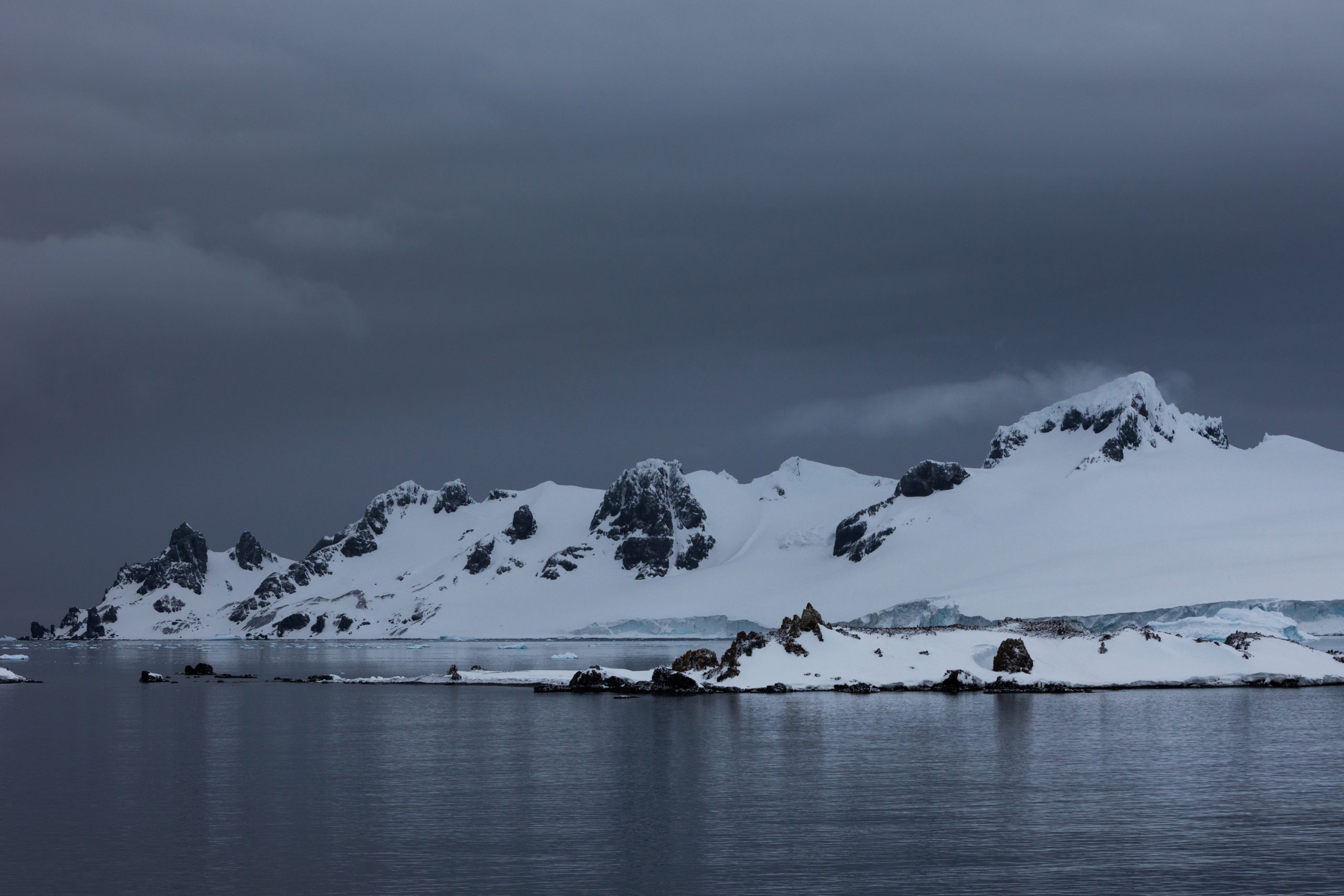
Operating in temperatures as low as –34 °C and thousands of miles from the nearest city, the British Antarctic Survey (BAS) faces extraordinary logistical challenges. As the UK’s leading polar research organisation for over 60 years, funded by the Natural Environment Research Council and with a mission to protect the environment, support global climate action and inspire the next generation of researchers - BAS needs reliable solutions for every aspect of station life, especially waste disposal.
Protecting the environment from onsite waste
In 2024, Addfield projects was approached by BAS to develop a solution for use at the Rothera Research Station on Adelaide Island towards the west of the Antarctic Peninsula. To provide them with a sustainable way of continuing their essential work without negatively impacting the fragile environment through supplying a bespoke solution to safely dispose of all waste on site.
Sustainable Waste Incineration
Protecting the ecological purity of this location is invaluable for the research conduct and vital studies on marine biodiversity, climate-change impacts, especially monitoring plastic pollution in polar waters.
As such the site needs to create as close to zero waste as possible which only incineration is able to ensure. Prior to working with Addfield Projects the station had a basic incinerator which simply was not able to securely keep up with the increasing demands. As station activities grew and the volume of both everyday and specialized research waste increased. The aging incinerator, installed in 2007, struggled and demonstrated several problems that put the environment at risk as it could not keep up with the harsh, demanding, cold environment. So a new incinerator built for the future was requested.
The most pressing issue that needed to be addressed in the design of this G100 incinerator was understanding how we would be able to ensure the incinerator would be able to work consistently and safely in temperatures well below freezing point. Even though the incinerator will be operating at temperatures exceeding 1000°C when destroying waste it was how to maintain steady and regular flow of fuel at all times that required the expert team at Projects to provide a solution.
Bespoke Solution for Extreme Weather Conditions
Following thorough investigations, computer modelling and research a plan was agreed upon with BAS on how the machine needed to be operated the harsh condition it would need to run in now and projected future weather fluctuations and the growth plans of the site and residents so that this installation would be able to safely dispose of a full mix of general waste for many years to come.

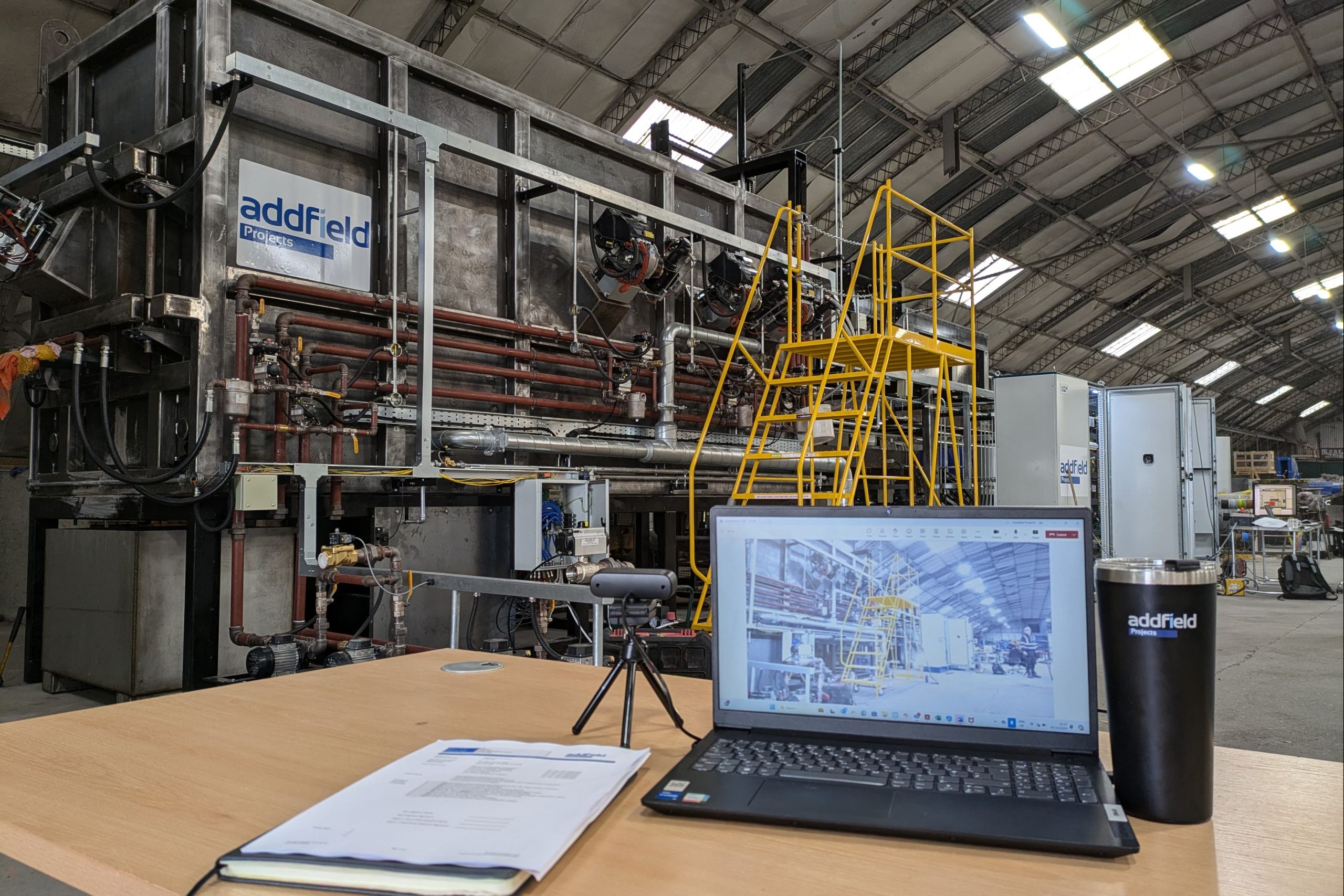
Optimised G100 Municipal Waste Incinerator
Due to the remote location and lack of access to medical support, it was essential that as well as being able to dispose of general/municipal type waste that the machine would be suitably equipped to equally destroy any and all harmful clinical waste that was created on the camp. As such a specially adapted G100 was agreed upon and production began.
After carefully listening to all the concerns of BAS and investigating all the potential future issues that could impact the production we put together a genuinely sustainable installation which included:
A bespoke version of the G100 high capacity waste incinerator designed to destroy up to 100kg of waste an hour. To achieve these targets it was pre installed in two specially adapted and connected 20 ft heated containers, housing the primary incineration chamber, and the automated ram charger, so the waste can be processed continuously without unnecessarily exposing staff to severe weather.
Being located in such a cold environment the risks of the fuel freezing in storage and the pipes were a real risk, as such additional heating elements and insulation was developed to keep the fuel flowing no matter how cold it gets outside the container. These integrated heating elements travel throughout the fuel lines and control systems to prevent ice buildup during and outside of operational hours. Advanced sealing systems on pipework and cables were also implemented to ensure they can withstand the weather preventing damage.
Protecting the Antarctic
Understanding that the incinerator will not be manned continuously and needs to be able to incinerate independently a critical remote Building Management System (BMS) was implemented that allows operators to check the machine's performance and fuel levels from inside the main facility throughout the operation.
This partnership highlights how shared values and smart engineering can overcome the toughest conditions on Earth. With their new waste-management system in place, BAS researchers can focus on groundbreaking science, continuing a six-decade legacy of polar exploration, while keeping their environmental footprint as light as possible.
The researchers and scientists that reside at the facility have stated how happy they are with the incinerator and additional equipment that came with it, noting that the project was thoroughly thought out by their dedicated Project Manager, and catered to many of the obstacles that came with the location. From initial planning to final installation, the process went as smoothly as possible and Addfield Projects were there to answer any questions or concerns.
As with many of our projects they are not always situated in accessible locations as such this is another example of where our expert support team in the UK come together to provide lifetime remote support to ensure that this machine can keep destroying waste for decades to come.